The work undertaken by the bondagers varied with the seasons of the year. Much of it was very physically demanding and also required many skills. The men who worked along side the bondagers respected them for the work they did, and often remarked on their speed and dexterity.
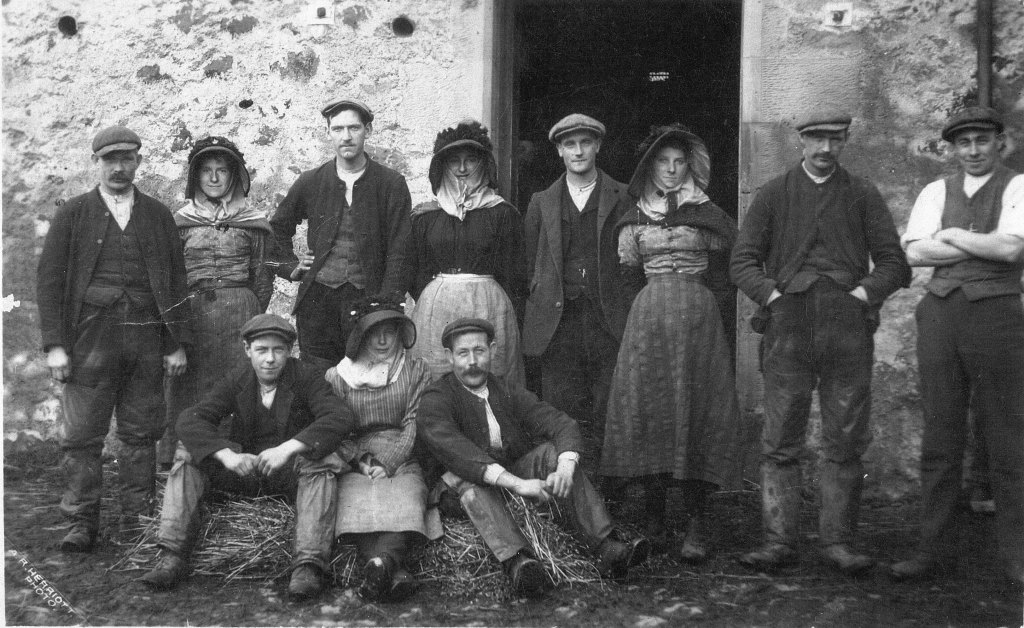
The men also said that the bondagers worked the hardest as they were doing physical work all day long and never rode anywhere. The men could ride home from the field or ride on the cart as they moved around the farm. Having noted this, however, some recall that a bondager could and did hop up on to the horse behind a hind to get a lift back to the farm.
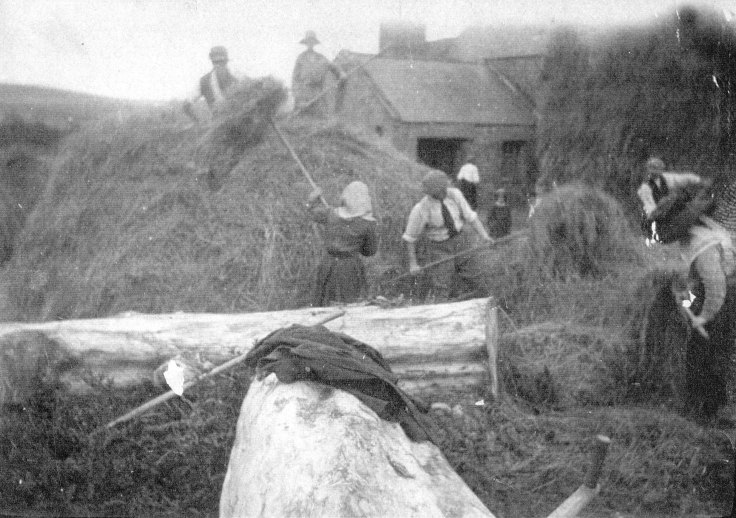
Workers stacking hay in the stack yard at Way-to-Wooler Farm (Photograph – Mrs Craigie, Wooler) 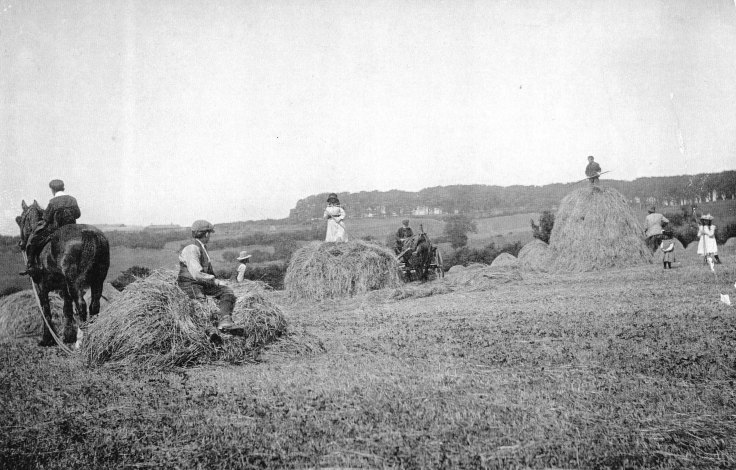
Building hay pikes (Photograph – Anne and Derek Fairnington, Wooler) 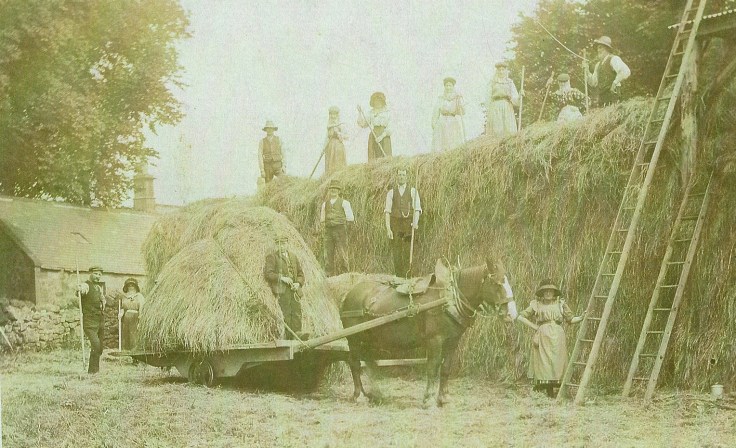
Stacking hay at Ilderton (Photograph – Mrs Annabel Lipple, Wooler) 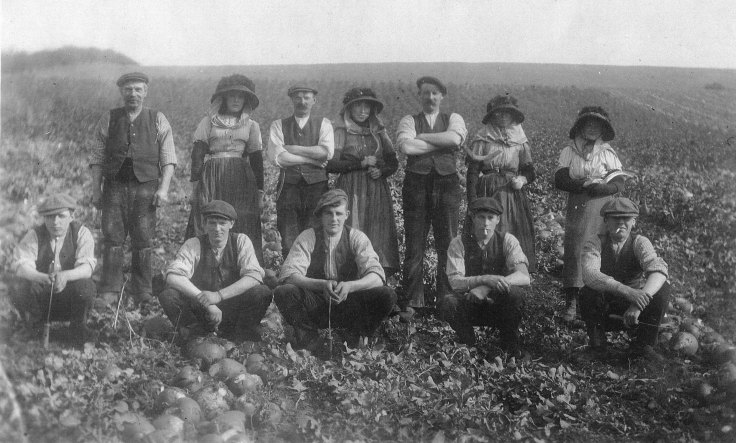
Workers lifting turnips (Photograph – Mrs Catherine Johnston, Ladykirk) 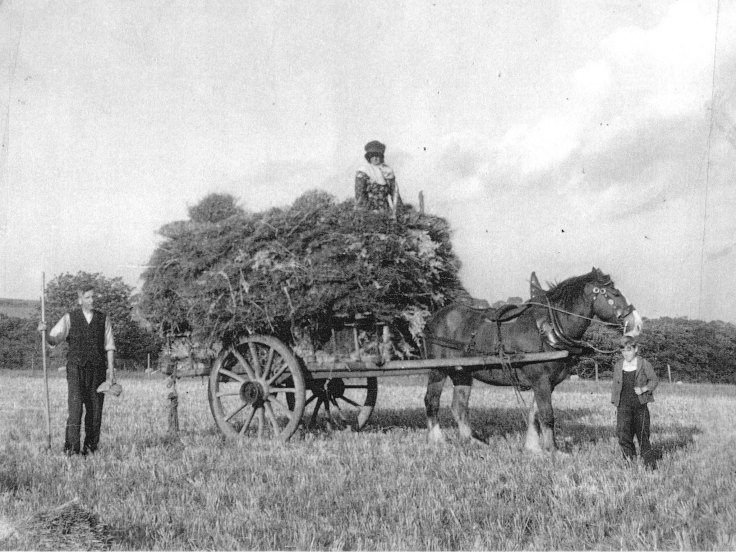
Mrs Janet Tait on a loaded cart (possibly oats) with the little boy George Dougal and Jim the horse (Photograph – Mr W Tait, Duns) 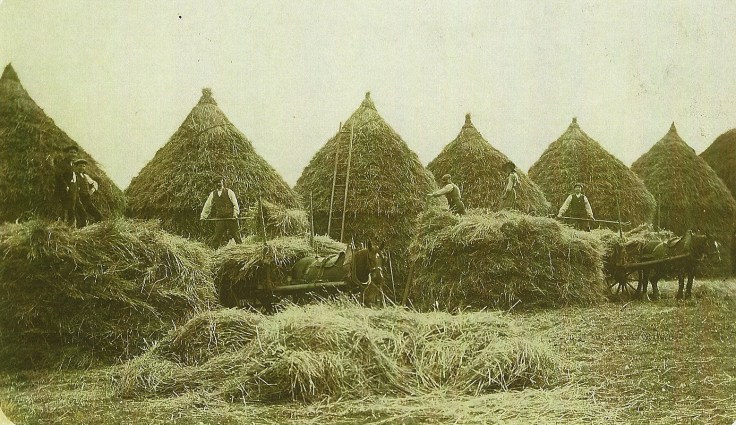
Building stacks at South Middleton (Photograph – Mrs Annabel Lipple, Wooler) 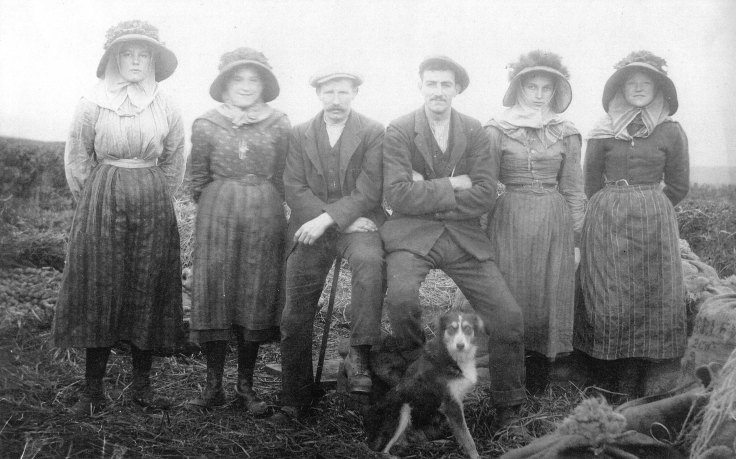
Young bondagers helping to sort and weigh up potatoes (Photograph – Mrs Catherine Johnston, Ladykirk) 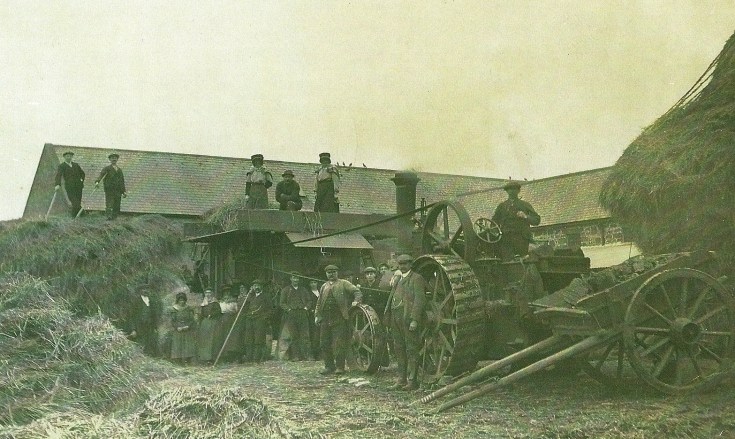
Threshing (Photograph – Mrs Annabel Lipple, Wooler) 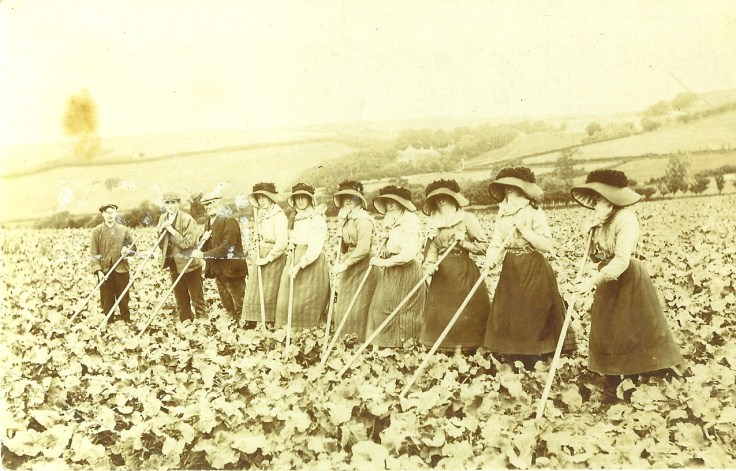
Workers hoeing at Kilham (Photograph – Alison Hall, Berwick)
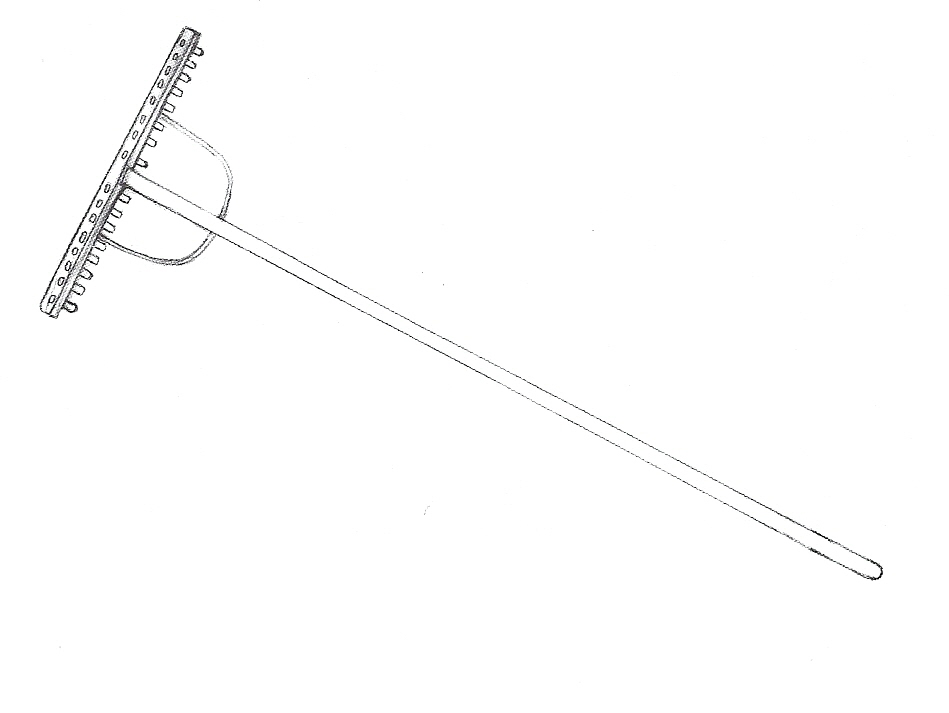
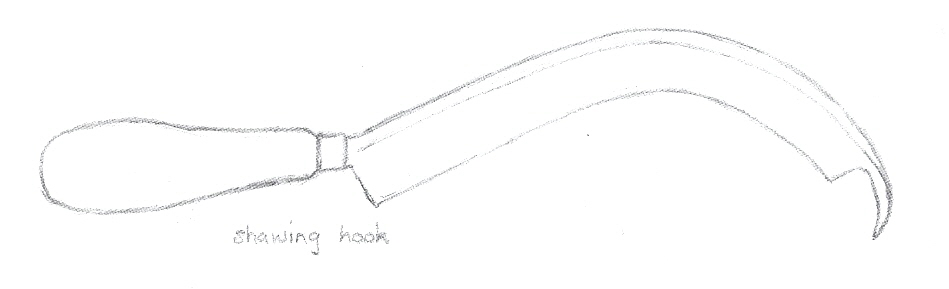
Click on an image to enlarge it
The bondagers wore leggings or gaiters to protect their legs from the dirt and cold. These could be cut-off trousers, puttees, leatherette gaiters or canvas leggings. For the very dirtiest work the bondagers breeked their skirts (pinned their skirts so that they looked more like trousers) and added straw ropes over the top of their leggings. Their aim was to keep as dry and warm as they could despite the mud.
 Bondagers