The hinds came to resent the bondage system and on two notable occasions rose up against this imposition.
In 1837 not very long after the Combination Acts were repealed in 1822/25 the hinds held meetings to discuss the situation. They resolved to make a stand against the bondage system, during the hiring season, early in the year. Opposition to the bondage system was very general throughout Northumberland and the South Eastern area of Scotland. The meetings and the resistance to the bondage system was widely noted in the newspapers.
A few farmers were willing to listen and took on their hinds without the bondage condition. Two instances that are recorded were two farmers at the Wooler Hirings and a Mr Tulip of Westfield at the Cornhill Hirings. Most farmers, however, adhered to the old ways.
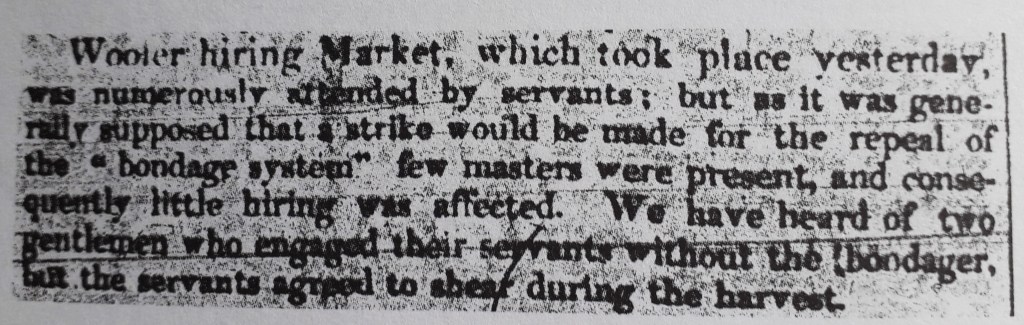
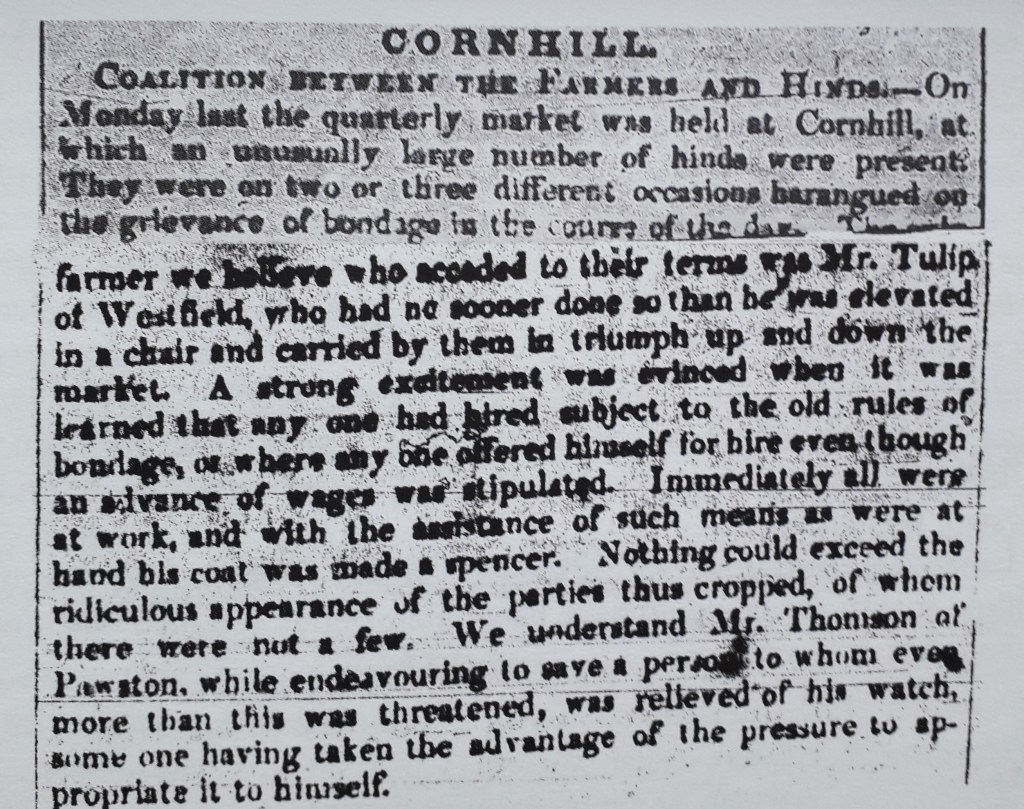
Click on an image to enlarge it
Thirty years later in 1866 the hinds again held meetings to discuss the bondage system and were determined to get rid of this imposition.
Again, as in 1837, the meetings and activities were carefully reported in the newspapers. It was particularly noticeable that now, in 1866, the hinds wrote letters to the newspapers to state their side of the argument, whereas in 1837 the letters were written exclusively by farmers, landowners and clergy.
Feelings were running very high!
The piece in the Berwick Warder below shows the strength of feeling among those who were opposed to the bondage system. Three hundred people assembled and burned the effigy of a hind who they felt had betrayed their cause.
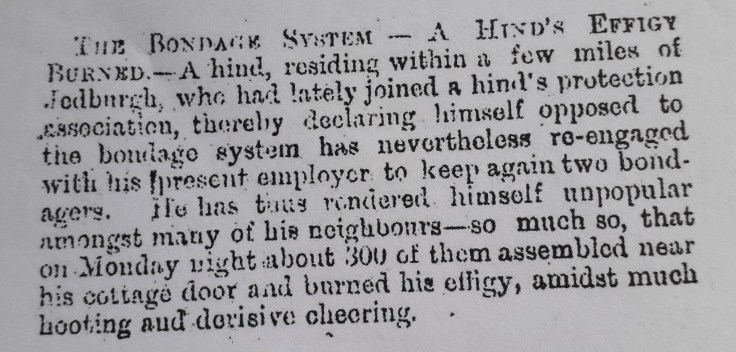
Despite the very hard position taken by some farmers, this time there was more sympathy for the hinds and more of them were hired without a bondager. It was said, however, that farmers were still particularly keen to hire good families who would supply a number of workers.
One important reason for the change of attitude was that the farmers realised that they were losing their young ploughmen (hinds). These young men with young families found the bondage system particularly difficult and were increasingly turning away from such employment.
So, although 1866 did not entirely succeed in ridding the countryside of the bondage system there were many changes. Farmers no longer felt able to demand a bondager. ‘Bondagers’ were still employed but they were often paid as individual workers directly by the farmer. They were sometimes referred to as women workers rather than bondagers. Strictly speaking they were not bondagers if their position was not part of the hind’s contract.
“The Forgotten Workers”
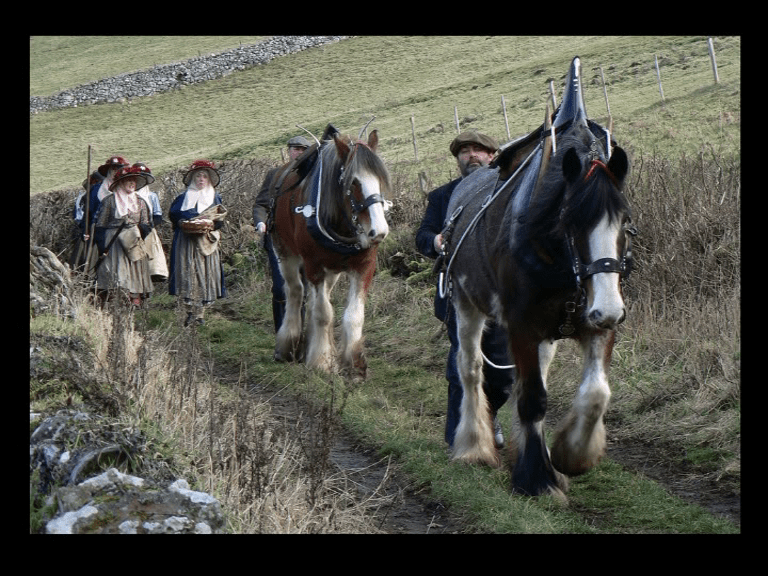
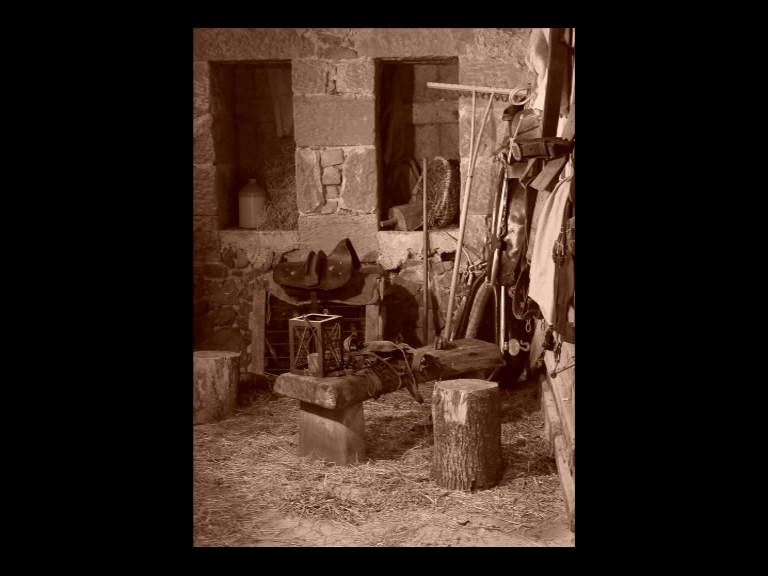
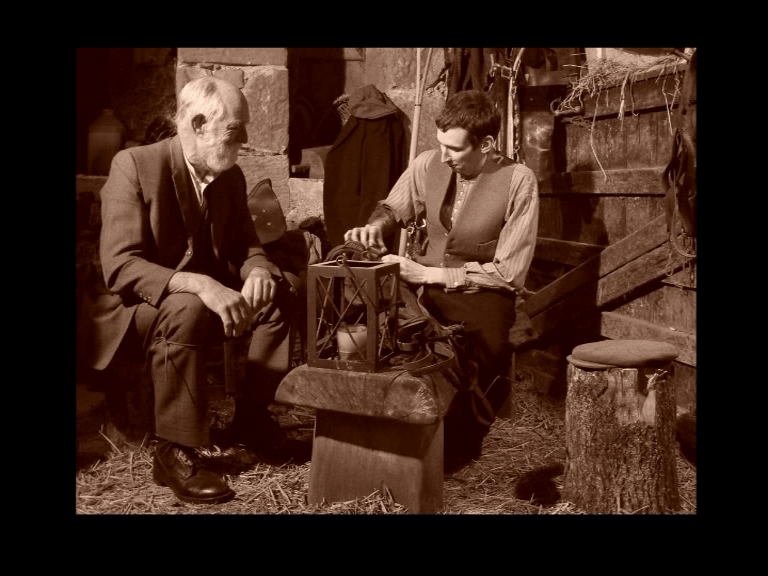
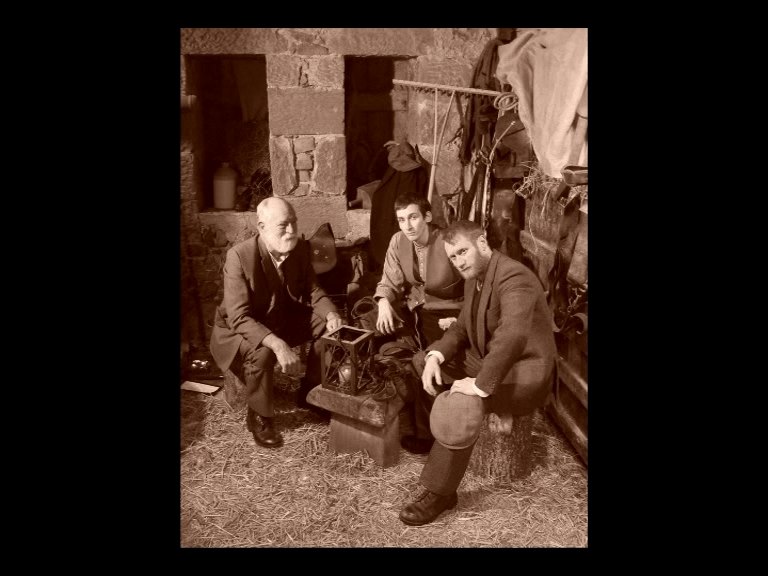
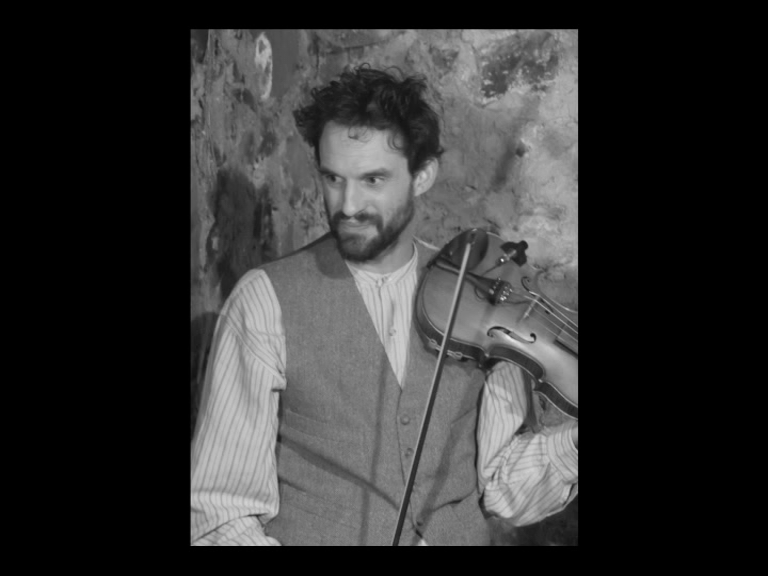
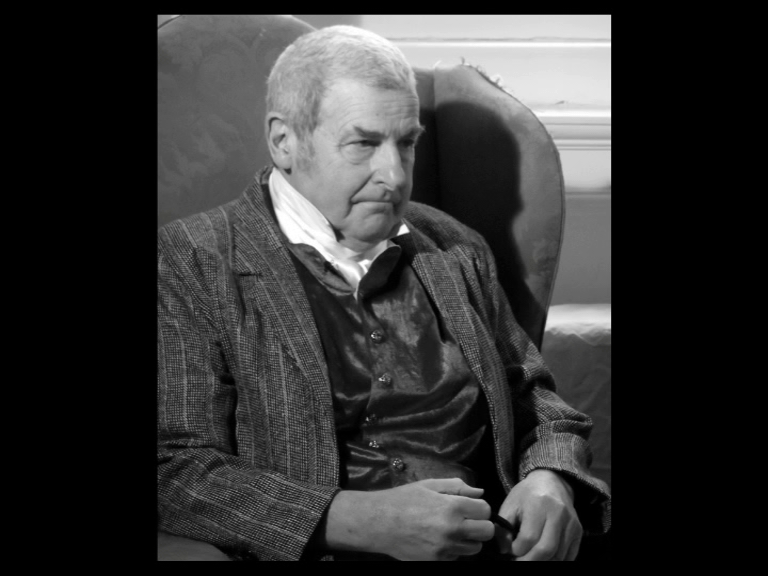
In 2011-2012 Dinah Iredale worked in partnership with Shadowcat Films to produce a film telling the story of the bondagers. Visit “The Forgotten Workers” page to learn more and see the film.
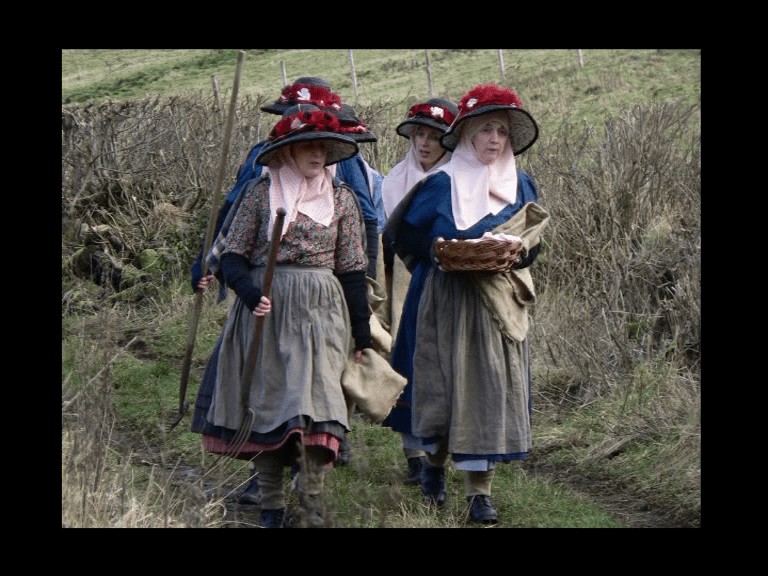




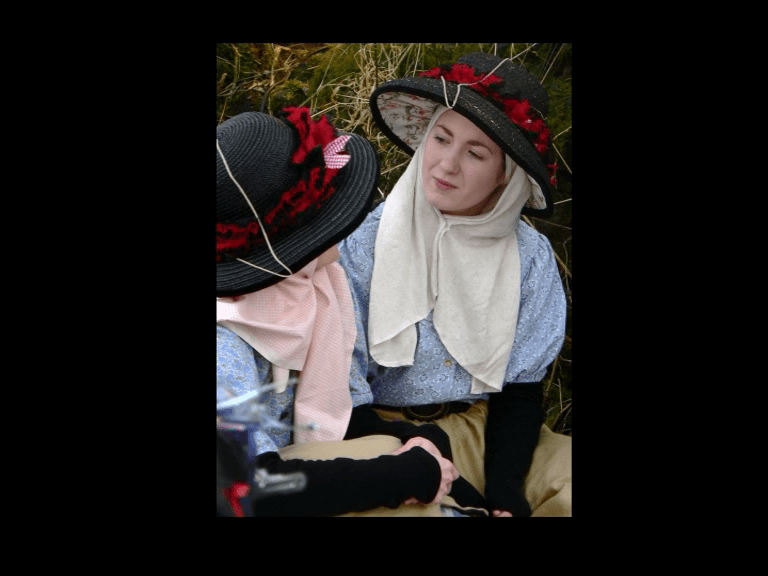
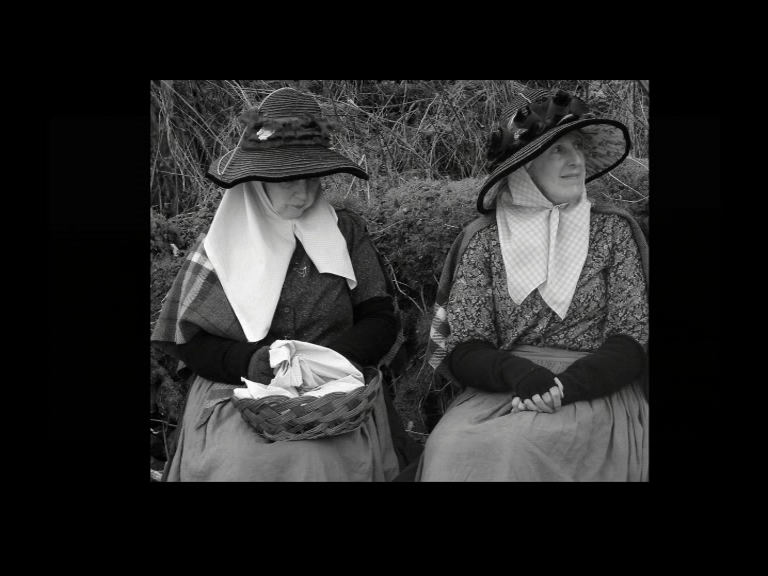
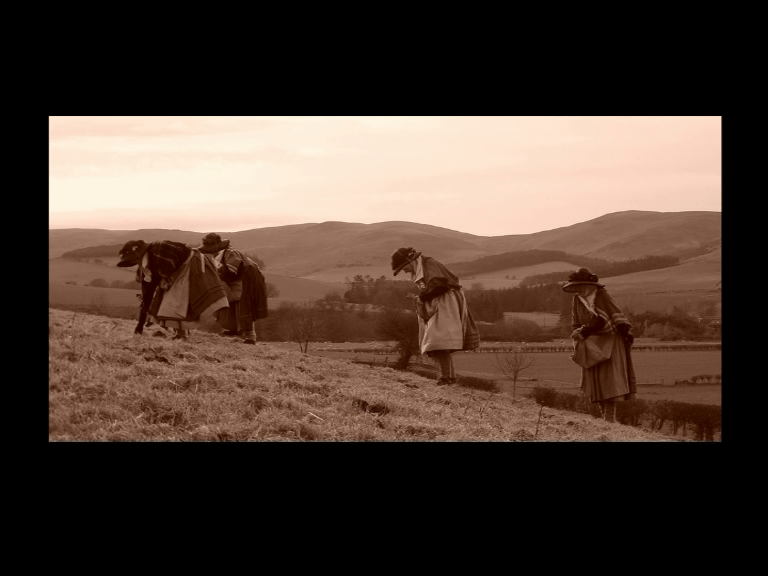


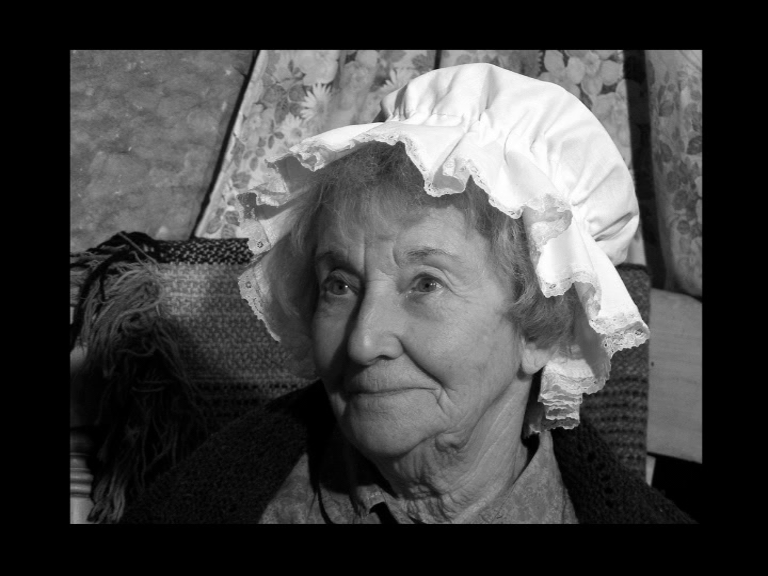






 Bondagers